
Patches for shirts and polos need a different approach from patches for jackets, bags, or heavy workwear. The reason is simple: shirts are usually lighter, softer, and more flexible. A patch that feels perfectly balanced on a denim jacket may feel bulky on a polo or pull awkwardly on a thin work shirt. For most […]

21
Sep
Sep
Should a clothing patch be removable or permanently attached? The answer depends less on the patch design and more on how the garment will be used. Choose a removable patch when names, roles, designs, or seasonal identifiers need to change. Choose a permanent attachment when the same patch will stay with the garment through regular […]
19
Sep
Sep
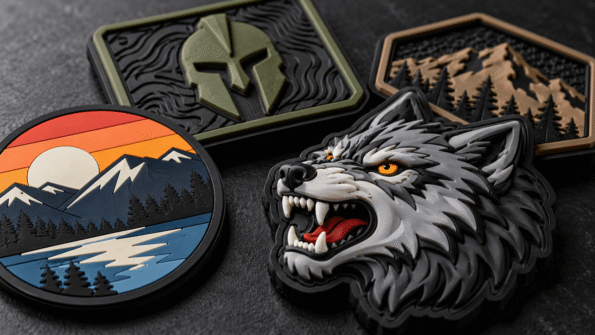
The main difference between 2D and 3D PVC patches is how the artwork uses depth. A 2D PVC patch uses clean, defined color areas and flat design levels. It works especially well for logos, lettering, badges, icons, and artwork that depends on sharp lines. A 3D PVC patch uses raised, recessed, or sculpted-looking elements to […]

19
Sep
Sep
Custom hat patches can turn a simple cap into branded merchandise, team gear, promotional apparel, or a distinctive fashion accessory. A well-designed patch gives your hat a defined visual identity while allowing the same logo or artwork to be used across different headwear styles. Unlike direct embroidery, a patch is produced separately and then attached […]
17
Sep
Sep
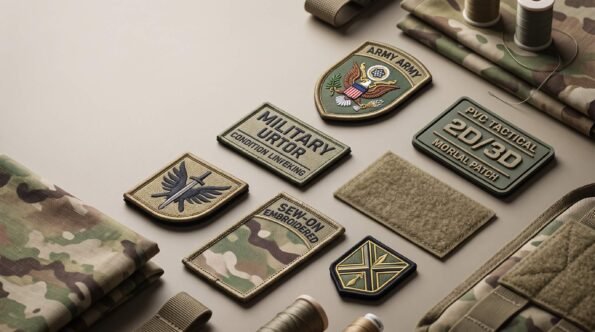
Army unit patches are more than decorative pieces added to a uniform or piece of equipment. They can represent a soldier’s current organization, commemorate service, identify a group, or build a shared sense of identity among members. From traditional embroidered insignia to modern PVC morale patches, today’s army unit patches are available in a wide […]
17
Sep
Sep
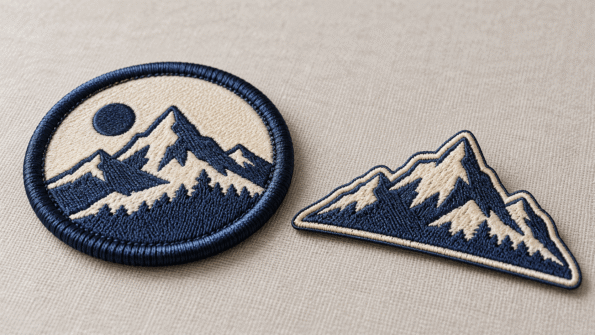
A patch’s border does more than frame the design. It affects the finished shape, the thickness around the edge and how much room remains for your artwork. When comparing patch border types, the main difference is straightforward: a merrowed border wraps thread around the perimeter to create a raised rim, while a heat-cut edge follows […]
15
Sep
Sep
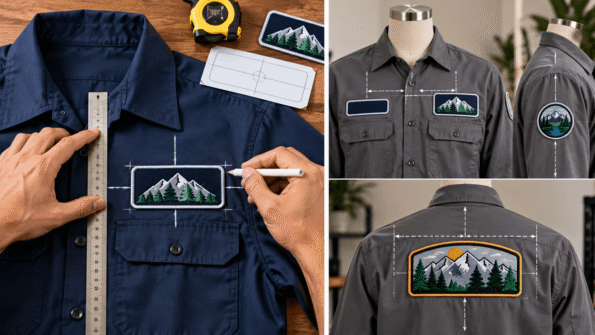
Good patch placement should look intentional, balanced, and consistent across every garment. The easiest way to achieve that is to measure from repeatable garment reference points such as the centerline, shoulder seam, pocket edge, zipper, or yoke rather than positioning each patch by eye. A reliable patch placement method is: This guide explains each step […]
13
Sep
Sep
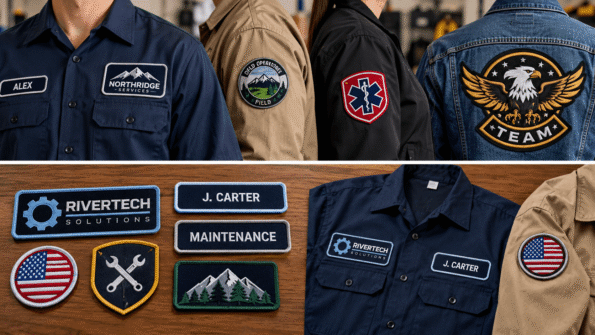
Custom uniform patches work best when they are planned as a consistent identification system, not as separate decorations added one garment at a time. Before ordering, decide what each patch needs to communicate, where it will appear, which details stay the same across every uniform, which details change by person or role, and how the […]
11
Sep
Sep
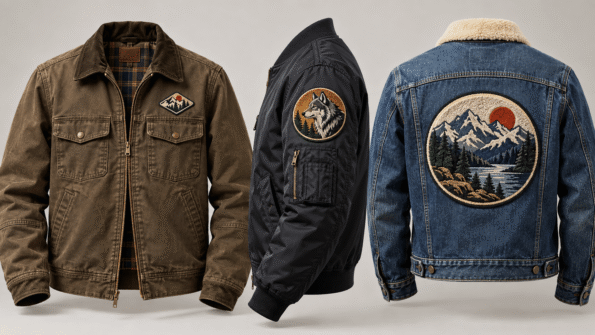
The best patch for a jacket depends on the jacket material, construction, placement, artwork, and how permanently you want the patch attached. For denim and work jackets, embroidered, woven, or leather patches can work well depending on the design. Varsity jackets are especially suited to chenille and embroidered patches. Bomber and lined jackets need more […]
09
Sep
Sep
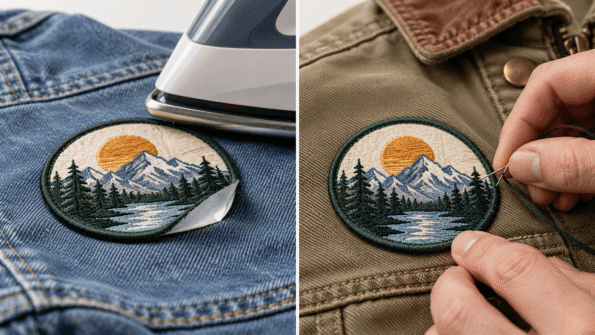
Choosing between iron-on and sew-on embroidered patches comes down to how the patch will be used. Iron-on patches are usually the more convenient option for compatible, heat-safe fabrics when you want quick application without sewing. Sew-on patches are better suited to long-term attachment, frequent wear, repeated laundering, or garments that should not be exposed to […]